


Garrett GTX GEN II
Here you will find high-performance upgrade turbochargers from Garrett, which use selected components to get the maximum out of your engine! These turbochargers offer an enormous increase in performance, better efficiency and optimized response. Perfect for tuning enthusiasts who want to unleash the full potential of their engine and achieve outstanding performance!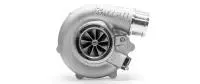
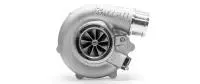
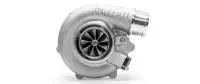
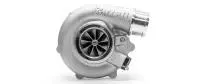
Garrett GTX Gen II Series: Second-generation high-performance turbocharging
Garrett GTX Generation II (Gen II) turbochargers represent the highest stage of evolution for the classic housing platforms and are based on insights gained from the first GTX series. While the mechanical interfaces (flange configurations and sizes) were deliberately retained to enable straightforward plug-and-play replacement of older GT and GTX systems, the internal aerodynamics and bearing technology have been fundamentally optimized. The Gen II series is designed for extreme boost pressures and increased mass flow rates, with a focus on significantly expanding the usable compressor map.
The Generation II technological upgrades in detail
In a direct comparison to the first GTX generation and the base GT model, the Gen II series features the following technical modifications:
Highly efficient ceramic ball bearings: While older generations sometimes relied on steel balls, the GTX Gen II features a highly advanced compressor housing with ceramic balls as standard. Ceramic has a lower density and an extremely smooth surface finish, which minimizes rotational friction within the bearing housing (CHRA). The result is further improved transient response and reduced thermal sensitivity at extreme RPMs.
Revised compressor wheel aerodynamics: The forged and CNC-machined aluminum compressor wheels (billet) have been completely redesigned from an aerodynamic standpoint. The modified blade geometry enables up to a 20% higher air mass flow rate than the first generation, while maintaining the same impeller diameter.
Optimized ported-shroud housings (anti-surge): The compressor housings feature flow-optimized characteristic curve stabilization. This recirculation channel effectively shifts the pumping limit to the left, ensuring stable flow without harmful compressor pumping even at high charge pressures in the low-speed range.
Standard RPM sensor preparation: Every GTX Gen II compressor housing is factory-prepared for direct mounting of an RPM sensor. This allows for precise monitoring of the compressor speed during application and ECU tune, ensuring the turbocharger is consistently operated within its optimal efficiency window.
Important installation note regarding oil pressure regulation: Gen II ceramic bearing housing assemblies also require a precisely limited oil volume to protect the piston ring seals. The use of a suitable oil restrictor (standard with a precise 0.9 mm bore) in the oil inlet is absolutely necessary to prevent oil from entering the intake or exhaust port.
Technical Comparison: GTX Gen I vs. GTX Gen II vs. G-Series
The following technical matrix is provided to help you correctly classify the performance levels:
| Feature / Component | Garrett GTX (Gen I) | Garrett GTX Gen II | Garrett G Series |
| Compressor housing | Standard anti-surge (optional). | Optimized high-flow housing with integrated ported shroud. | Ultra-compact high-flow housing with integrated sensors. |
| Compressor impeller (aero) | Billet wheel, 11-blade design. | Newly calculated aerodynamic geometry for up to 20% more airflow. | Completely redesigned, extremely thin-walled high-flow aero. |
| Bearing technology (balls) | Steel or ceramic balls, depending on the model. | Standard high-performance ceramic ball bearings. | The most compact ceramic compressor assembly with reduced clearance dimensions. |
| Power output | Increased compared to the GT base model. | Maximum airflow within the classic GT size range. | Maximum thermodynamic efficiency per cm³ of displacement. |
The Garrett GTX Gen II is the most powerful option when an existing turbo setup (e.g., an existing exhaust manifold with a T3, T4, or V-band flange) needs to be pushed to its absolute performance limit without requiring mechanical modifications to the peripheral components. It combines the universal fit of the classic GT architecture with state-of-the-art ceramic bearing technology and advanced compressor aerodynamics.