


Blow off valve TFSI
TFSI Blow-Off Valve

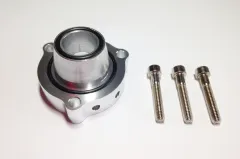
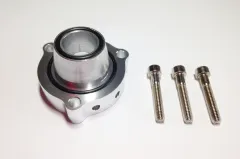
2.0 TFSI Blow-Off Valve – Optimized Boost Pressure Control
This 2.0 TFSI blow-off valve was specifically developed to optimize boost pressure control in turbocharged VAG engines. Thanks to its precise mechanical design, the valve ensures rapid and effective relief of boost pressure when the throttle valve closes. This protects the turbocharger from so-called compressor surge and improves throttle response (surge-up) after shifting gears.
Technical Design and Material Quality
The valve is crafted from high-quality, heat-resistant materials that ensure consistent performance even under sustained high boost pressures and thermal stress. Unlike the factory-installed diaphragm valves, which are prone to cracks and leaks, this upgrade valve offers long-lasting mechanical stability and minimal leakage rates thanks to its precise piston guidance. This guarantees consistently high reliability in everyday operation as well as under motorsport conditions.
Installation and Custom ECU Tune
The blow-off valve is installed via precise integration into the existing intercooler circuit of the 2.0 TFSI. Thanks to precise manufacturing tolerances, the installation process can be carried out efficiently. The valve can also be technically customized: By adjusting the internal spring rate, the opening characteristics can be precisely tailored to the vehicle’s specific boost pressure (e.g., in software-optimized engines).
Acoustics and Performance Characteristics
In addition to relieving mechanical stress on the turbocharger, the valve’s design produces the characteristic, system-related hissing sound during gear changes, as the excess air is vented in a controlled manner. This indicates that the pressure relief in the intake tract is functioning precisely.
Technical Advantages of the 2.0 TFSI Blow-by Valve in Detail
Optimization of boost pressure & component protection: The valve reduces the thermal and mechanical stress on the compressor wheel by relieving the dynamic pressure upstream of the closed throttle valve. This significantly extends the service life of the turbocharger.
Improved efficiency: The rapid closure of the valve after shifting keeps boost pressure in the system more stable. Turbo lag is minimized, resulting in optimized engine responsiveness.
Functional Acoustics: The venting of excess boost pressure produces the typical mechanical flow noise (hissing) during load changes.