


Garrett GT turbocharger
Garrett GT Turbochargers
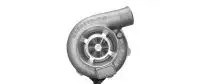
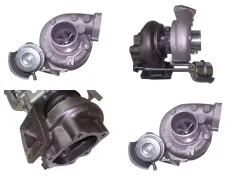
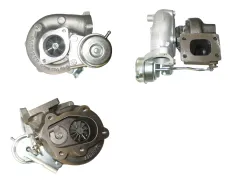
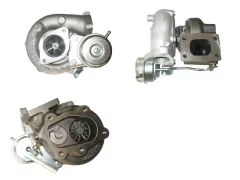
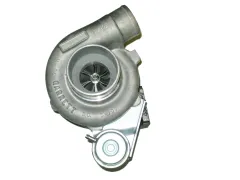
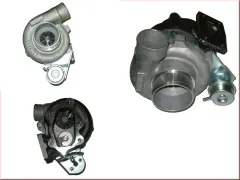
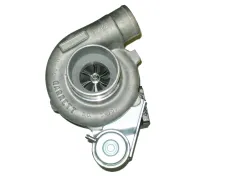

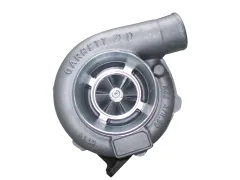
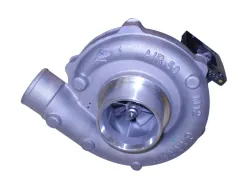



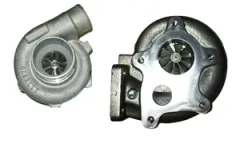
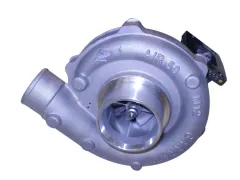
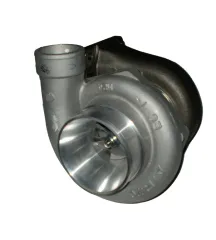
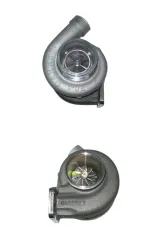
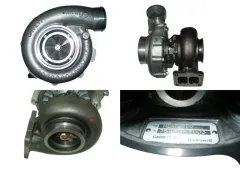

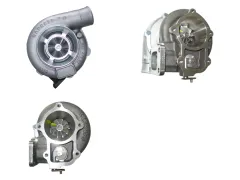
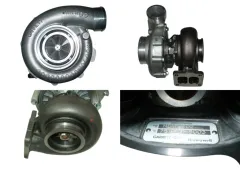
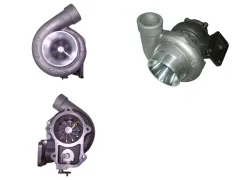

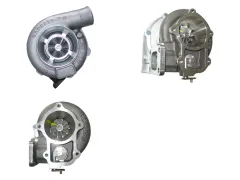
Garrett GT Series: Technical Specifications and Design Features
Garrett ’s GT Series turbochargers (Garrett ) form the technological foundation for modern, exhaust-driven turbocharging systems in the high-performance and tuning sectors. The operating principle is based on the thermodynamic utilization of exhaust energy: The exhaust flow drives a turbine wheel, which, via a common shaft, sets a compressor wheel on the fresh air side in rotation. The intake air compressed in this process results in increased cylinder filling, which enables a significant increase in effective mean pressure and thus in engine power and torque across a wide rpm range. At the same time, the increased efficiency optimizes specific emissions and fuel consumption in the partial-load range.
Design Structure of the GT Series
The genuine GT Series turbochargers sourced by Turbo-parts.de through verified distributors are characterized by standardized, robust assemblies that undergo rigorous quality testing (durability, vibration, and axial thrust bearing tests). Key mechanical features include:
Dual Ball Bearing: Unlike older systems with plain bearings, the ball-bearing-equipped core assembly ensures minimized take-off torque and optimized transient response (reduced turbo lag).
Combined cooling: The core assembly (CHRA) features channels for combined oil and water cooling to minimize the thermal stress on the bearing seats even after the engine is shut off (heat-soak effect).
Dynamic Balancing: Each housing assembly is dynamically balanced to eliminate high-frequency vibrations and ensure operational reliability at speeds exceeding 100,000 rpm.
Important installation note regarding oil pressure regulation: Due to their highly efficient ball bearings, GT turbochargers require a reduced oil volume compared to those with plain bearings. To prevent the sealing rings from expanding and oil from entering the housing, it is absolutely necessary to install an oil restrictor (typically with a precise 0.9 mm bore) in the oil inlet.
Technical Generation Comparison: GT vs. GTX and G Series
To make an informed system selection for engine conversions, it is essential to distinguish between the following product generations (Garrett: GTX and Garrett: G-Series) based on their aerodynamic and mechanical updates:
| Feature / Component | Garrett GT Series (Base) | Garrett GTX Series (Gen. 1 & 2) | Garrett G Series (Current Generation) |
| Compressor wheel geometry | Cast aluminum impeller, classic blade design. | Machined aluminum impeller (billet), 11-blade or point-milling design for higher air mass flow. | Completely redesigned aerodynamic geometry (highest pressure ratios with maximum flow rate). |
| RPM sensor connection | Not available as standard. | Prepared for mechanical RPM sensing in the compressor housing. | Integrated port for real-time RPM monitoring, factory-installed. |
| Housing Assembly / Mounting | Standard dual ball bearing (steel balls). | Optimized ceramic ball bearings in Generation II models. | Ultra-compact turbine assembly with high-performance ceramic bearings and reduced housing dimensions. |
| Turbine wheel material | Inconel (a high-temperature-resistant nickel-chromium-based alloy). | Inconel / Advanced alloys for higher exhaust temperatures. | Mar-M alloy for extreme exhaust temperatures up to 1050 °C. |
Technical Conclusion for the User
While modern successors (such as the G-Series) are designed for extreme peak performance, the highest boost pressures, and maximum thermodynamic efficiency at the limits of performance, the Garrett GT Series remains the proven standard for robust, reliable, and highly cost-effective turbo projects. Thanks to the wide availability of various exhaust housings and flange adapters, it offers a universal and technically mature foundation for classic performance upgrades.